








Wolf Cut Hairstyle: The Ultimate Guide to the Shag-Mullet Trend
If you have spent any time on social media platforms like TikTok, Instagram, or Pinterest, you have almost certainly seen the wolf cut. Combining retro rock-and-roll vibes with modern texture, this wildly popular haircut has become one of the defining hair trends of the decade. It balances volume, movement, and an effortless “undone” aesthetic that appeals to all gender identities and hair types.
In this comprehensive guide, we will break down what a wolf cut is, how it differs from similar styles, how to customize it for your hair type, and tips for styling it at home.
What is a wolf cut?
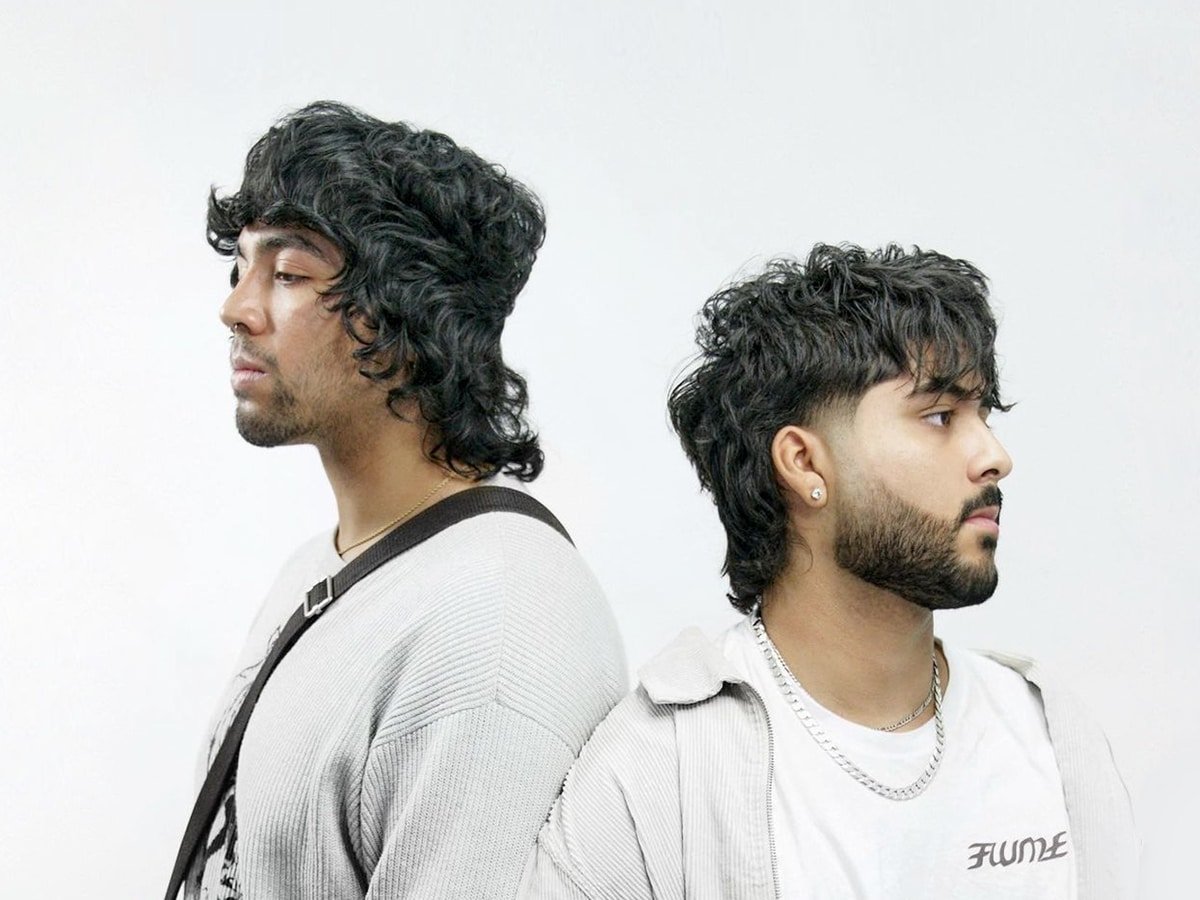
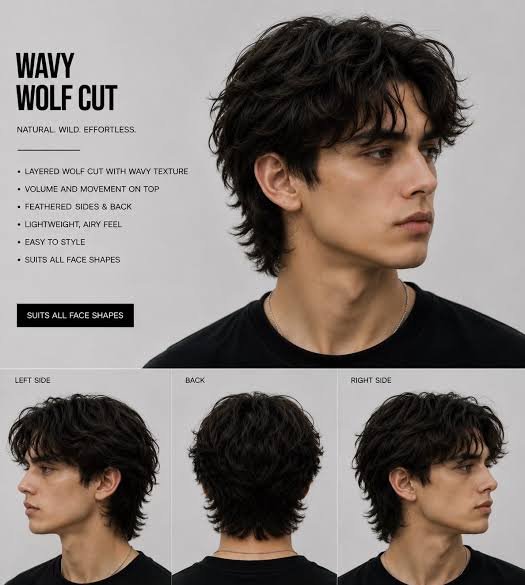
A wolf cut is a hybrid hairstyle that blends two classic looks: the 70s shag and the 80s mullet. The name comes from its wild, textured appearance, which resembles the thick, layered fur of a wolf.
Key visual features of the wolf cut include:
-
- Volume at the Crown: Shorter, choppy layers near the top and crown of the head to create instant lift.
- Face-Framing Layers: Soft curtain bangs or wispy fringes that frame the cheekbones and eyes.
- Tapered Length: Thinner, longer, feathered layers cascading down the back and side
wolf cut vs. Mullet vs. Butterfly Cut
Because layered haircuts are so popular, it is easy to confuse the wolf cut with other trendy styles. Here is how they compare:
Haircut Style Key Features Vibe & Aesthetic
Wolf Cut Heavy crown volume, wispy layers, curtain bangs, tapered ends Edgy, textured, messy, and relaxed
Classic Mullet Distinctly short on the top/sides, long strictly in the back Bold, vintage retro, high contrast
Butterfly Cut Long, feathered, blended layers throughout Soft, glamorous, polished, full length
How to Adapt the wolf cut for Different Hair Types
The beauty of the wolf cut lies in its adaptability. A professional stylist can alter layer density to match your natural hair texture:
1. wolf cut on Wavy or Curly Hair
Naturally wavy or curly hair is ideal for this cut. The short layers remove excess weight, allowing curls to bounce back, define their shape, and build natural volume at the crown without turning into a heavy triangle shape.
2. wolf cut on Straight Hair
If you have straight hair, a wolf cut will create movement and remove flat spots. However, straight hair requires a little more daily texturizing—such as sea salt sprays or light styling creams—to showcase the choppy layers.
3. Short / Bixie wolf cut
For those who prefer low-length maintenance, a short wolf cut (skimming the jaw or collarbone) offers a playful, punk-inspired look. It gives thick hair plenty of texture while keeping your neck cool.
How to Style a wolf cut at Home
To keep your wolf cut looking perfectly disheveled rather than flat, follow this quick styling routine:
- Start with Damp Hair: Apply a volumizing mousse or root-lifting spray to wet hair.
- Diffuser Blow-Dry: Use a diffuser attachment on your hairdryer (especially for waves/curls) to boost root volume and define layers.
- Add Texturizing Spray: Once dry, spritz a light sea salt spray or dry texturizing powder through the mid-lengths and crown.
- Scrunch and Style: Use your fingers to scrunch and twist random pieces out toward the face for that signature tousled edge.
Frequently Asked Questions (FAQs)
Is a wolf cut hard to maintain?
Not necessarily! Because it is designed to look intentionally messy and “undone,” daily styling takes minimal effort. However, you will need a trim every 6 to 8 weeks to keep the crown layers crisp and lightweight.
Can you get a wolf cut without bangs?
Yes. While traditional wolf cuts feature curtain bangs or full fringes, you can opt for longer, cheekbone-grazing side pieces that sweep into the rest of your hair.
What face shapes suit a wolf cut?
The wolf cut flatters almost every face shape because the layers are customizable. The height at the crown elongates round faces, while the face-framing fringe softens sharp jawlines on square or heart-shaped faces.
Conclusion
The wolf cut is more than just a passing social media trend—it has secured its spot as a modern classic haircut. Delivering the ideal blend of volume, texture, and carefree attitude, it offers an effortless style upgrade for anyone looking to embrace their natural hair movement. Talk to your hair stylist about customizing the layer lengths to complement your unique features and daily styling preferences!


One comment on “Wolf Cut Hairstyle: The Ultimate Guide to the Shag-Mullet Trend”