








Weather Forecast & Climate Trends: How to Check Live Updates
Checking the weather accurately is essential for daily planning, travel, outdoor activities, and event management. Weather conditions can change rapidly depending on local atmospheric shifts, seasonal patterns, and broader climate phenomena like El Niño or La Niña cycles.
In this guide, we cover how weather forecasts work, key metrics to monitor, where to get live updates, and seasonal weather expectations.
Key Weather Metrics to Track
A complete weather forecast provides more than just the temperature. Understanding these essential weather parameters helps you prepare for any conditions:
| Weather Element | What It Measures | Why It Matters |
|---|---|---|
| Temperature (°F / °C) | Air temperature and “Feels Like” index. | Helps determine appropriate clothing and exposure safety. |
| Precipitation Chance (%) | Probability of rain, snow, sleet, or hail. | Essential for outdoor planning and travel safety. |
| Humidity (%) | Amount of moisture present in the air. | Affects comfort, heat index, and storm development. |
| Wind Speed & Direction | Air movement rate (mph or km/h) and direction. | Impacts driving, aviation, marine travel, and wind chill. |
| Barometric Pressure | Atmospheric force exerted by the air. | Falling pressure indicates approaching storms or rain. |
| UV Index | Intensity of ultraviolet radiation from the sun. | Guides sun protection and outdoor exposure limits. |
Types of Weather Forecasts
Depending on your planning timeline, different forecasting tools serve distinct purposes:
-
- Nowcasting (0 to 6 Hours): High-resolution radar tracking used for immediate severe weather warnings, localized rainfall, and sudden temperature shifts.
- Short-Range Forecast (1 to 3 Days): Highly accurate predictions for daily planning, commutes, and event scheduling.
- Medium-Range Forecast (7 to 14 Days): Provides overall trends in temperature and storm patterns, though specific timing may shift.
- Seasonal & Extended Outlooks: Long-range predictions based on ocean currents, sea surface temperatures, and historical climate cycles.
Where to Find Reliable Live Weather Updates
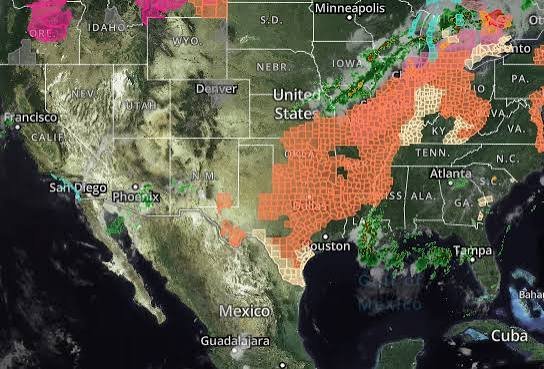
For the most accurate real-time weather alerts and localized radar coverage, rely on established meteorological services:
-
- Official Meteorological Agencies: Resources like the National Weather Service (NWS) or local government weather bureaus provide official safety alerts and radar monitoring.
- Weather Radar Apps: Mobile applications featuring real-time Doppler radar help track storms directly down to your street level.
- Severe Weather Alerts: Enable emergency wireless alerts on mobile devices during tropical storms, tornadoes, severe thunderstorms, or flash flooding.
Frequently Asked Questions (FAQs)
Why do weather forecasts sometimes change suddenly?
Weather systems depend on complex atmospheric variables like air pressure, humidity, and jet stream movements. Small shifts in wind direction or moisture levels can alter storm tracks quickly.
What does “Percentage Chance of Rain” actually mean?
The Probability of Precipitation (PoP) represents the likelihood that a specific point in the forecast area will receive measurable rainfall during a given timeframe.
Final Takeaway
Staying informed about the local weather allows you to plan effectively and stay safe during severe conditions. Whether checking a daily 7-day forecast or monitoring live Doppler radar, relying on trusted weather sources ensures you are prepared for whatever nature brings.



One comment on “Weather Forecast Today: Live Radar, Temperature & Alerts”